
Best Quality Plants
-
Does testosterone inflate the ego?
the use of Testosterone Propionate (Test-P) or any other anabolic steroid carries potential health risks. Before considering a cycle of this type, it is important to consult with a medical professional or doctor who specializes in sports medicine to discuss the benefits, risks, and possible alternatives.
-
Does testosterone influence the way we think?
Pyrethrum is not without risks for humans. Inhaling it can cause headaches, nausea and vomiting. In contact with the skin and eyes, it can cause redness and pain. If swallowed, it is responsible for numbness in the oral area, seizures, local paralysis, and muscle fibrillation.
-
Does testosterone make us less intelligent?
Potential effects of testosterone: Testosterone is an important hormone for muscle development. A temporary increase in testosterone before training can potentially improve strength, endurance, and muscle growth.
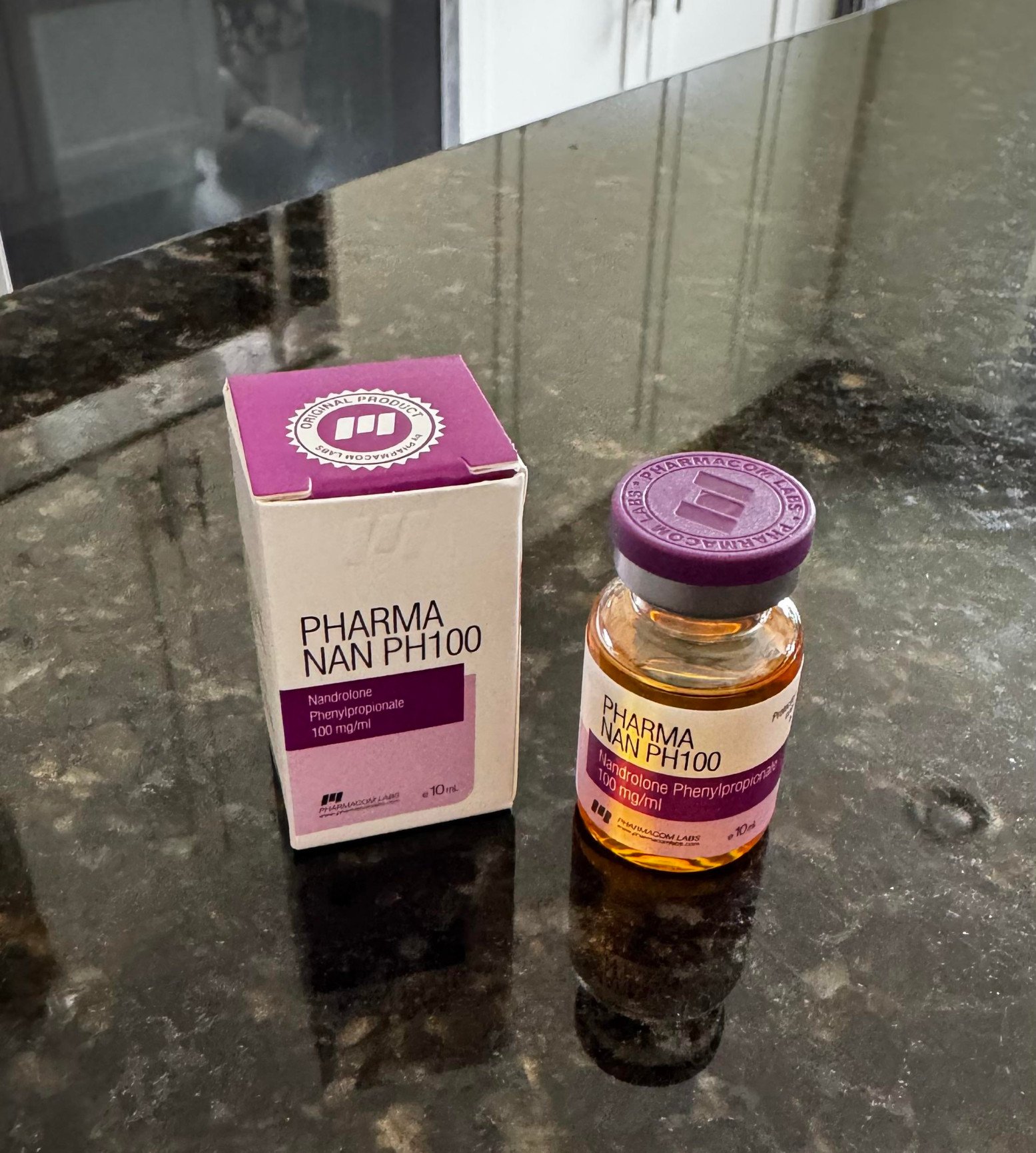
Testosterone
Testosterone is an essential hormone for both male and female health, influencing libido, muscle strength, energy, and even mood. A balanced and nutrient-rich diet can promote its production in a natural way. Here are the best foods to consume to boost your testosterone:A Dianabol and Testosterone cycle can be used to promote muscle growth in bodybuilders and athletes. This combination is often chosen for its synergistic effects on muscle development.
Testosterone (For Bulking Steroid Cycle) – Click to view Testo Max (Legal Testosterone) from Crazy Bulk
Dianabol, also known as Dbol, is a popular anabolic steroid that promotes protein synthesis and nitrogen retention in muscles. This results in an increase in muscle mass and strength.
Testosterone is the main hormone responsible for muscle growth in men. When used in combination with Dianabol, it can further enhance muscle growth, endurance, and recovery.

Why does testosterone decrease from the age of 40?
The decline in testosterone from the age of 40 is a natural phenomenon linked to aging. Several factors contribute to this drop in testosterone levels:
1. Natural physiological changes
- Reduced Hormone Production: With age, testosterone production in the testicles decreases. The Leydig cells, which are responsible for testosterone production, become less active over time.However, it is important to note that the use of anabolic steroids, including Dianabol and Testosterone, carries potential health risks and can have unwanted side effects. Before considering such a cycle, it is essential to consult with a healthcare professional or physician to discuss safety, appropriate doses, and necessary medical monitoring.
- Additionally, the use of anabolic steroids is often associated with strict regulations in many countries and may be prohibited in the context of sports competitions. It is therefore crucial to comply with applicable laws and regulations.
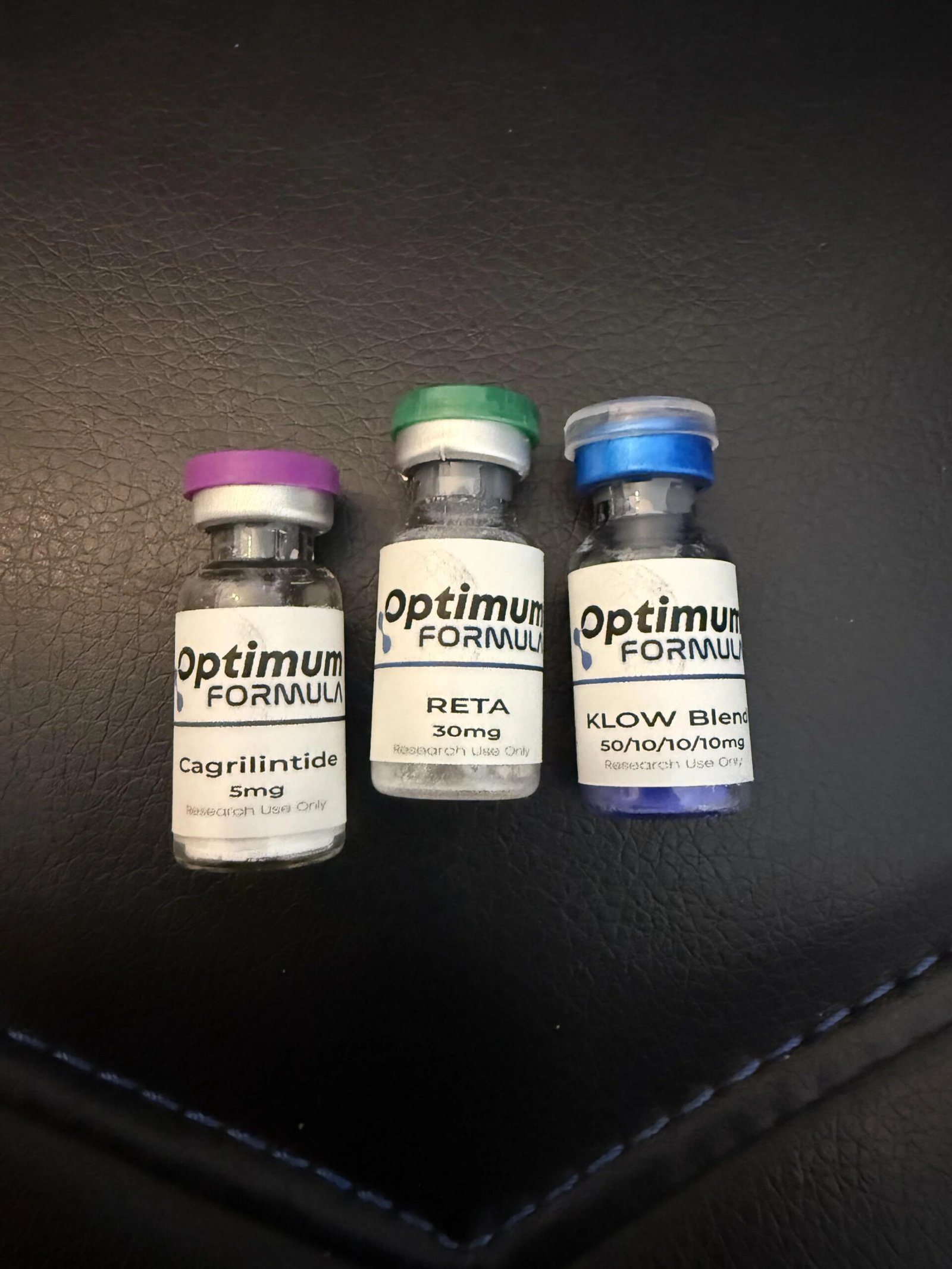
What are the benefits of having high testosterone?
Having high testosterone levels has several health benefits, including:
- Increased muscle mass: Testosterone helps with muscle growth and physical strength, which improves performance in workouts and promotes better body composition.
- Improved libido: High testosterone levels can lead to increased libido and better sexual function.
- Mood improvement: Testosterone plays a role in mood regulation and can help reduce symptoms of depression and anxiety.
- Strengthening bones: Testosterone helps maintain optimal bone density, reducing the risk of osteoporosis.
- Better concentration and memory: Sufficient levels of testosterone can improve cognitive functions, such as memory and concentration.
- Reduction of body fat: High testosterone levels can promote the reduction of body fat by increasing metabolism.
What is Testosterone and What Is It Used For
Both males and females have their own primary sex hormones that are responsible for their unique characteristics. These hormones are testosterone and estrogen. Testosterone helps men develop their reproductive system, produce sperm, grow hair, deepen their voice, and build muscle mass. It also plays a role in aggressive behavior. Men who have higher levels are more likely to act aggressively and engage in risky behaviors.